
Photo: Clem Onojeghuo / Unsplash
Active Travel
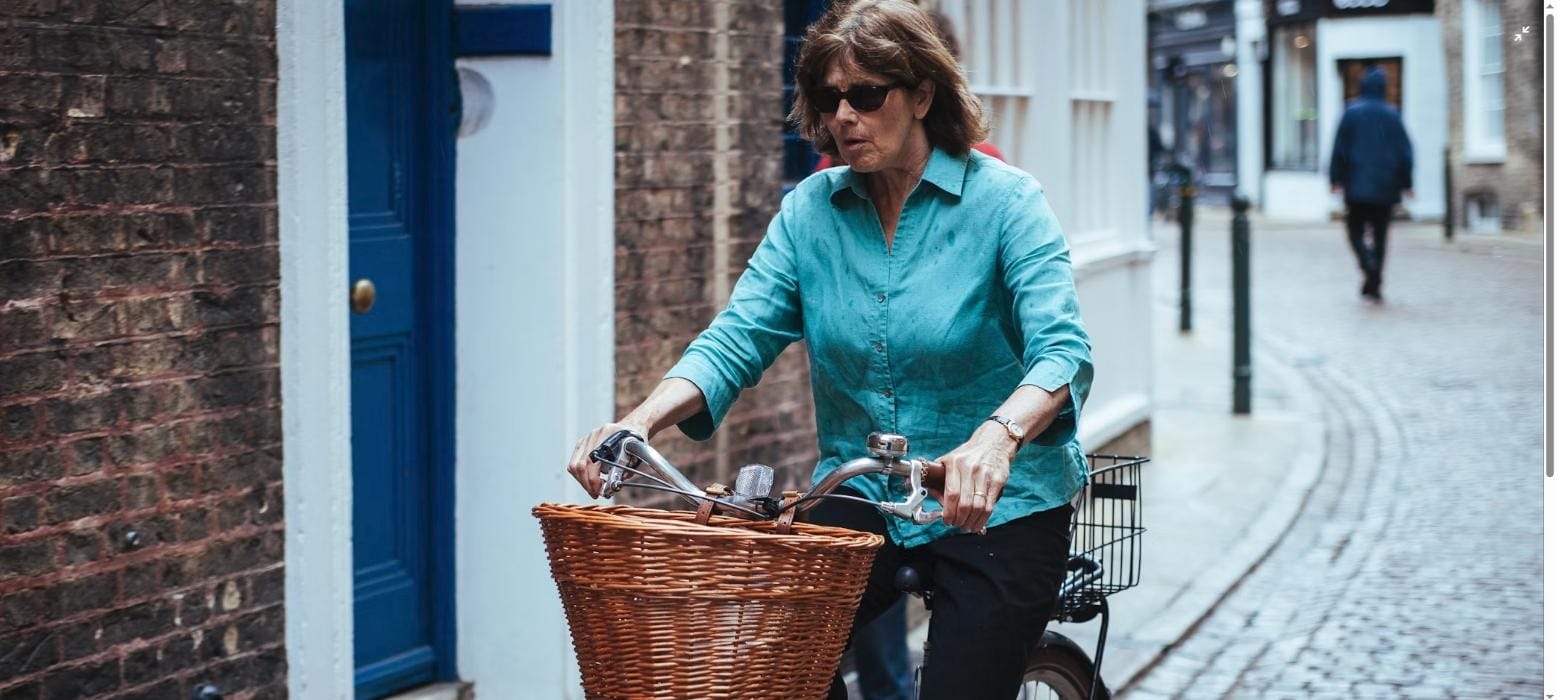
Active travel means getting around under your own power — walking, wheeling (in a wheelchair or on a mobility scooter), or cycling — for everyday journeys: the school run, the commute, the trip to the shops. It isn’t about lycra and long-distance rides. It’s about making the short, ordinary journeys that make up most of our travel easy and safe to do without a car.
What local people say
Eastbourne already has people pushing on this locally — and the case is being made at a national level too, from health officials to the people running Active Travel England.
“We should stop seeing the world through our windscreens.” … “A modal shift from cars requires better infrastructure for cyclists and pedestrians, with better public transport. Electric cycles allow older people and people with disabilities to cycle more easily, especially on hills and for longer distances.” … “Let’s prioritise our health by making roads safer. We can’t afford not to if we want to look after our planet and the coming generations.”Prof Scarlett McNally, consultant orthopaedic surgeon in Eastbourne and co-founder of Bespoke Cycle Group, writing in the BMJ, November 2022
“For cycling and walking to become the natural choice for shorter journeys, people must feel safe and the options must be easy. Active Travel England aims to help local authorities across the country deliver that environment, so that people can get to schools, shops and workplaces under their own steam.”Chris Boardman, National Active Travel Commissioner, on his appointment to head Active Travel England, June 2022
“It’s critical to think about the short distances and to build between the spaces that people care about. That can be transformational, it’s really important for people’s physical and mental health.”Prof Sir Chris Whitty, England’s Chief Medical Officer, speaking at the Active City York conference
“Placing walking at the heart of government policy will ensure we build back better and avoid a car-led recovery. It will allow us to tackle the twin epidemics of obesity and loneliness, and create a cleaner future for pedestrians from all walks of life.”Mary Creagh, chief executive of Living Streets at the time, on the charity’s five-year walking strategy
Bespoke Cycle Group has campaigned for safer cycling in Eastbourne for years, co-founded by Prof McNally and organiser of events like Kidical Mass (“Space for the next generation”). Eastbourne Eco Action Network (EEAN)’s Transport Group works to make Eastbourne more sustainable by promoting alternatives to the private car, and runs the Eastbourne Area Bus User Group. EEAN has also hosted a Sustainable Transport & Active Travel Summit, bringing together local campaigners and councillors.
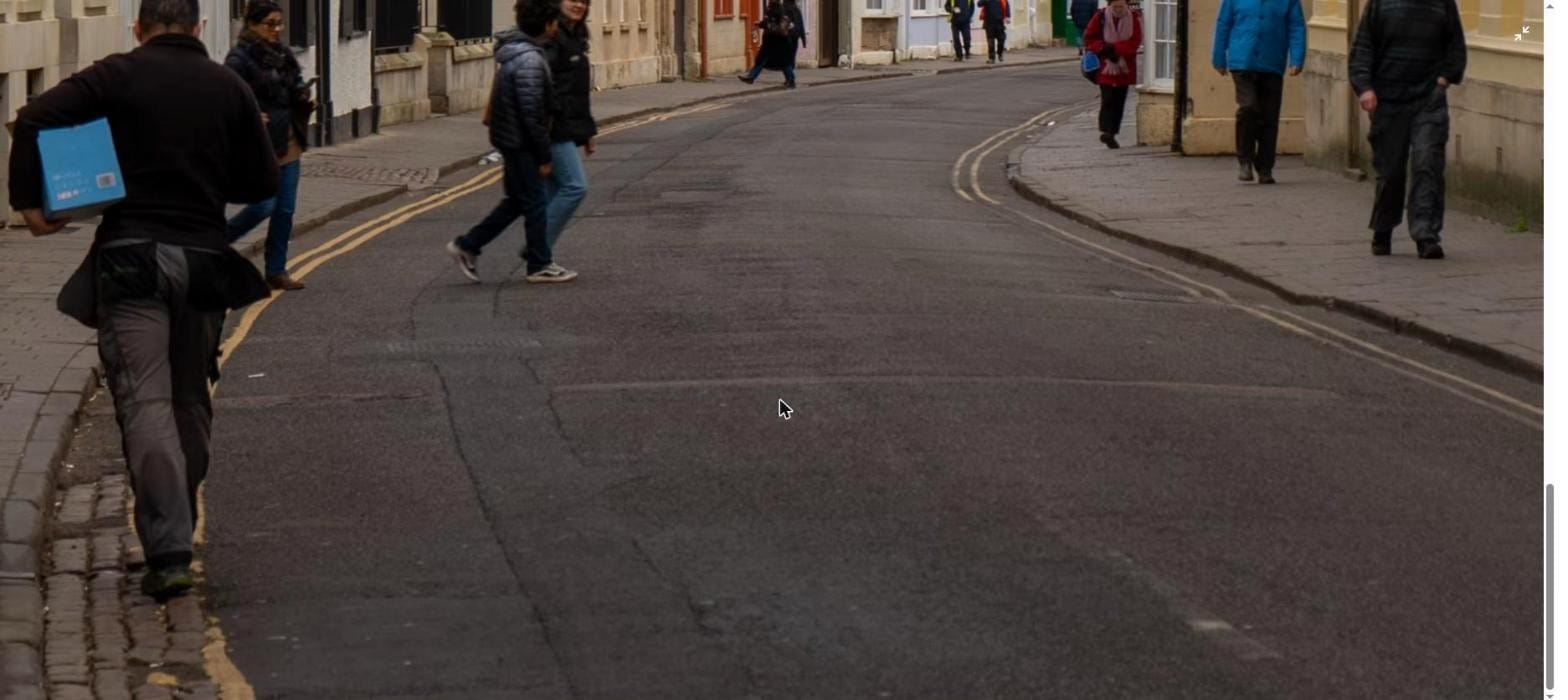
Photo: Ben Elliott / Unsplash
The real nuance: pavements, wheeling and disabled access
Active travel already includes disabled people — “wheeling” (wheelchairs, mobility scooters) is part of the definition, not an add-on, and cycling itself is a mobility aid for many disabled people, not just an able-bodied hobby. Wheels for Wellbeing’s Guide to Inclusive Cycling (5th edition, 2025) includes this from a disabled cyclist: “Being a Disabled person who can get out and cycle has been a lifesaver for me. When cycling I feel less disabled; it is the best treatment for my mental health.” Locally, Eastbourne Wheels for All runs free adapted-cycle sessions at Cross Levels Way every Thursday and Friday morning, open to children and adults with disabilities or differing needs.
But specific scheme designs matter, and not every “active travel” scheme is good for every disabled person. RNIB has taken a strong public position against “floating bus stops” — designs where a cycle track runs behind the bus stop, so passengers cross the cycle lane to reach the bus. A white cane can’t detect a floating island the way it detects a kerb, and RNIB’s own research found that 49% of blind and partially sighted people now make fewer journeys specifically to avoid floating bus stops. RNIB has called for a pause on building any more of them until they can be made safe.
This isn’t an argument against cycling infrastructure — it’s a reminder that “active travel” and “accessible streets” aren’t automatically the same thing, and that getting the detail of a scheme wrong can make things worse for one group of vulnerable road users while trying to help another. It echoes what we’ve heard on pavement parking elsewhere on this site: Eastbourne Access Group has said pavement obstruction has “been the bane of people’s lives in Eastbourne for a long time.” Any walking or cycling scheme that doesn’t leave a clear, level, obstruction-free pavement isn’t really active travel for everyone — it’s active travel for some.
The evidence
- Physical inactivity contributes to an estimated 1 in 6 deaths in England and costs the NHS and wider economy around £7.4 billion a year (NHS England).
- The 2025 Walking and Cycling Index found that walking, wheeling and cycling prevented almost 156,000 serious long-term health conditions UK-wide in 2025, saving the NHS £1.94 billion annually, with a total economic benefit of £1.81 billion from cycling trips alone across the Index’s 22 UK and Ireland areas (Walk Wheel Cycle Trust).
- 59% of car journeys in Britain are under five miles, and 62% of UK adults say it feels too dangerous to cycle — showing the gap between potential and actual cycling is about safety, not distance (DfT National Travel Survey 2020).
- 34% of men and 42% of women in the UK are not active enough for good health; active travel is one of the easiest ways to build activity into a normal day rather than “finding time to exercise” (Gov.uk, Health Matters: physical activity).
- Government design guidance (LTN 1/20) is explicit that “cyclists must be physically separated and protected from high-volume motor traffic” — a painted line on a busy road doesn’t meet the standard (Department for Transport).
- 49% of blind and partially sighted people report making fewer journeys to avoid floating bus stops, evidence RNIB has used to call for a pause on new floating bus stop schemes (RNIB).
What you can do
As an individual
- Swap one short car journey a week for walking, wheeling or cycling.
- If mobility is a barrier, try a free taster session with Eastbourne Wheels for All at Cross Levels Way (Thu/Fri mornings).
- Join a Bespoke Cycle Group ride, or the next Kidical Mass.
- Respond to East Sussex County Council consultations on cycling and walking routes when they open.
As a grassroots effort
- Support Eastbourne Access Group’s campaign for clear, walkable pavements — active travel needs to work for pedestrians and wheelchair users too.
- Join Eastbourne Eco Action Network’s Transport Group.
- Support Cycling UK’s national campaigning — they’ve directly backed Eastbourne schemes before.
- Write to your councillor about East Sussex’s Local Cycling and Walking Infrastructure Plan, and push for disabled residents to help design routes from day one.
References
- NHS England, Harnessing the benefits of physical activity — england.nhs.uk
- Walk Wheel Cycle Trust, Walking and Cycling Index 2025 — walkwheelcycletrust.org.uk
- Department for Transport, National Travel Survey 2020 — gov.uk
- Gov.uk, Health matters: physical activity — prevention and management of long-term conditions — gov.uk
- Department for Transport, Cycle Infrastructure Design (LTN 1/20) — gov.uk
- RNIB, RNIB’s statement on floating bus stops — rnib.org.uk
- Wheels for Wellbeing, Guide to Inclusive Cycling, 5th edition, September 2025 — wheelsforwellbeing.org.uk
- Wheels for All, Eastbourne Wheels for All — wheelsforall.org.uk
- Prof Scarlett McNally, BMJ opinion column (30 Nov 2022), reproduced in Eastbourne Reporter — eastbournereporter.co.uk
- Active Travel England, Chris Boardman named permanent National Active Travel Commissioner, 28 June 2022 — activetravelengland.gov.uk
- BBC News, Chief medical officer makes case for active travel — bbc.co.uk
- Smart Transport, Living Streets launches five-year active travel strategy — smarttransport.org.uk
- Eastbourne Access Group — eastbourneaccessgroup.org.uk
- Bespoke Cycle Group — bespokecyclegroup.org.uk
- Eastbourne Eco Action Network, Transport Group — ecoactioneb.co.uk